
 +1 (213) 715-5368
Vedanshi
2026-10-23
7 min read
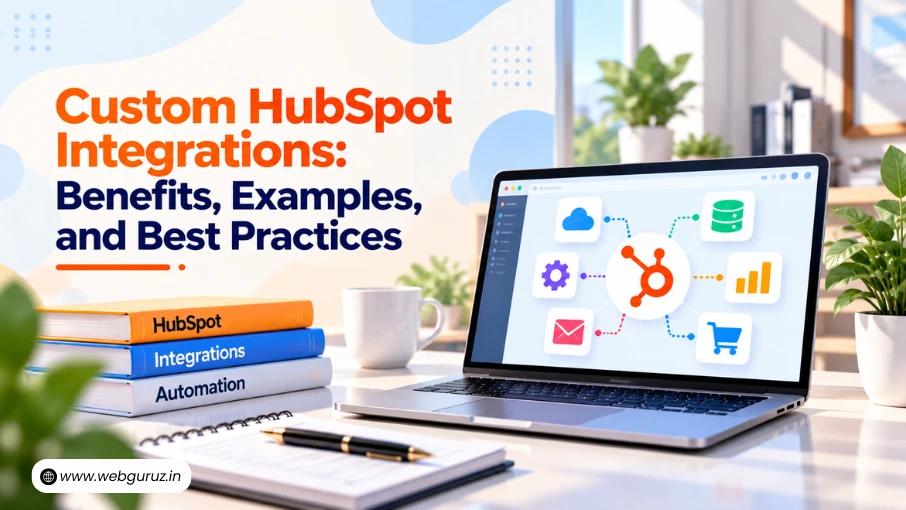
Custom HubSpot Integrations: Benefits, Examples, and Best Practices
Your business uses HubSpot to manage customer relationships, but disconnected systems create data issues.
Read More
Published On:2026-08-18
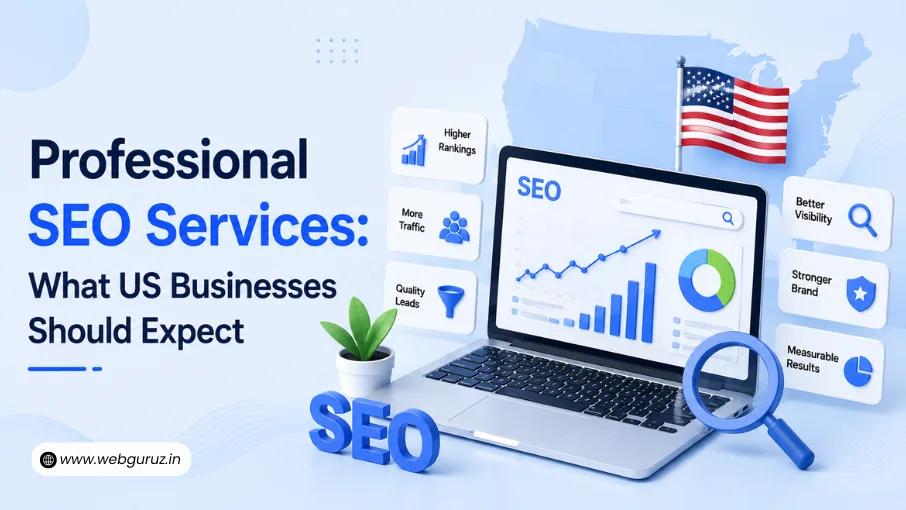
Ranking for the right keywords doesn’t always mean getting the right customers. A competitor with fewer pages might still show up more often in local searches, AI-generated answers, or searches from people who are ready to buy.
And as search becomes more conversational and AI-driven, customers are making decisions without visiting multiple websites.
That means SEO has to be about more than rankings. Professional SEO services are evolving to help businesses get found by the right people, at the right time, and turn that visibility into real business growth.
Search in 2027 won’t look exactly like it does today. AI, local search, user intent, and changing customer behavior will all influence how businesses get discovered and what it takes to turn that visibility into customers.

Being #1 on Google looks great, but it doesn’t always mean you’re winning customers.
If the wrong people find you, an AI-generated answer solves their question before they click, or a competitor has better reviews and a stronger presence, that top ranking may not lead to much business.
So, the real question is: Are you becoming more visible and trusted by the customers who are ready to choose?
That’s why location-focused strategies like SEO Services Phoenix and Dallas SEO Services matter. Local search is about being visible where your customers are looking and giving them a reason to choose you over the competition.
Local customers don’t always search in the same way as national audiences. They may include a city, neighborhood, service area, or “near me” in their search. They may also use Google Maps, reviews, business profiles, and AI recommendations before deciding who to contact.
For businesses that depend on local customers, being relevant to a specific market is becoming increasingly important.
For example, an SEO Agency in Miami may need to build visibility around the services, neighborhoods, and search behavior that matter to businesses in the Miami market. Simply creating more generic content won’t necessarily make a business more visible locally.
The US isn’t one search market. Customer expectations, competition, service areas, and search behavior can vary considerably from one city or region to another.
A strategy that works for one market may not produce the same results somewhere else. That’s why location pages shouldn’t simply be created by replacing one city name with another.
For example, an SEO Company Washington strategy should reflect the audience, competition, and search intent of the market it is targeting. The same principle applies whether a business is competing in a large metropolitan area or a smaller regional market.
The location isn’t just a keyword. It’s part of the strategy.
One of the biggest changes businesses should prepare for is the growing role of AI in search.
Customers can now ask AI tools to explain a service, compare options, answer questions, or recommend businesses without opening several search results. This means a company can influence a buying decision without necessarily receiving a traditional organic click.
That doesn’t make websites less important. It makes being a trusted source of information more important.
Businesses will need content that demonstrates real expertise, answers specific customer questions, and gives search systems enough context to understand what the business does and who it serves.
For companies investing in SEO Services in San Francisco, for example, the goal shouldn’t be limited to ranking pages. The broader goal is to build a website and brand that can be understood and trusted across modern search experiences.
AI has made it easier than ever to produce content at scale. But more content doesn’t automatically mean more visibility.
When thousands of businesses can publish similar articles, simply creating another version of the same information gives customers (and search engines) little reason to choose it.
The content that stands out will offer something useful: first-hand experience, original insights, practical examples, expert opinions, or information that genuinely helps someone make a decision.
This is where an SEO marketing company Chicago strategy should focus less on publishing for the sake of frequency and more on creating content that supports real customer questions and purchasing decisions.
Great content can’t fully compensate for a website that is difficult to crawl, navigate, or use.
Slow pages, broken links, poor site architecture, duplicate content, weak internal linking, and mobile usability issues can all create unnecessary barriers for both users and search engines.
Technical SEO should therefore be treated as an ongoing part of website management rather than a one-time cleanup. As websites change and new content is added, technical issues can appear again.
For businesses competing in crowded markets, Atlanta SEO Services should include technical health alongside content, local visibility, and authority building.
Adding a city name to a page doesn’t automatically make a business locally relevant. Search engines look at many signals, including reviews, business profiles, website information, links, and consistent business details, to understand where a business operates and how trustworthy it is.
A strong local strategy should make it easy to understand where a business operates, what it offers, who it serves, and why customers should trust it. For example, Houston SEO Services should be built around the actual needs and search behavior of the Houston market rather than simply creating another page with “Houston” added throughout the copy.
Search visibility increasingly depends on more than what’s written on a single website.
Customers may check reviews, third-party platforms, social profiles, industry publications, and other sources before deciding whether a business is credible. Search systems can also use information from multiple sources to better understand a brand.
That makes consistency and credibility important across the wider online presence.
Businesses should focus on building a recognizable brand, providing accurate information, earning genuine reviews and mentions, and publishing content that demonstrates expertise.
For businesses working with SEO consultants in New Jersey, for example, the strategy should consider how local visibility, reputation, content, and brand authority work together, not just where individual keywords rank.
The shift doesn’t mean throwing away everything that has worked.
It means being more selective about what to measure, what to create, and where to invest. Traditional SEO fundamentals will still matter, but they need to be connected more closely to customer intent and business outcomes.
| What Many Businesses Do Today | What Goes Wrong | What Needs to Change | What This Means for the Business |
|---|---|---|---|
| Focus heavily on rankings. | Traffic grows without qualified leads. | Prioritize commercial and high-intent searches. | More relevant inquiries. |
| Publish more generic content. | Competitors and AI can produce similar information. | Build original, expertise-led content. | Stronger authority and differentiation. |
| Use one SEO strategy across locations. | Local competition and search intent differ. | Build market-specific strategies. | Better visibility in priority markets. |
| Optimize mainly for Google. | Customers discover businesses through AI, maps, reviews, and other platforms. | Build broader search visibility. | More discovery opportunities. |
| Treat technical SEO as a one-time task. | Website changes create new issues. | Continuously monitor technical health. | More stable search visibility. |
| Report traffic as the main result. | Traffic doesn’t necessarily equal revenue. | Connect SEO to leads and pipeline. | Clearer ROI. |
| Create city pages by changing location names. | Pages lack genuine local relevance. | Build location strategies around actual market needs. | Stronger local authority. |
| Chase high-volume keywords. | High traffic may have weak buying intent. | Target searches tied to customer problems. | Better conversion potential. |
Businesses don’t necessarily need to publish twice as much content, create hundreds of pages, or chase every new search trend.
They need to be more deliberate about where they compete and what their customers actually need.
A few highly relevant pages can be more valuable than hundreds of generic ones. Strong technical foundations can matter more than simply adding more content. And visibility for high-intent searches can be far more valuable than rankings for broad keywords that rarely produce customers.
That’s where experienced SEO consultants in Denver can provide strategic value: helping businesses identify the opportunities worth pursuing, fix the problems that matter most, and focus SEO investment on areas with genuine commercial potential.
Preparing for changes in search doesn’t mean predicting every Google update or AI development. It means focusing on what will continue to matter, no matter how people search.

Look beyond rankings. Find out where your business appears across organic results, local search, branded searches, AI-generated answers, and high-intent queries.
Not every keyword deserves equal attention. Prioritize searches connected to real customer problems, valuable services, products, and buying decisions.
Make sure important pages are easy to crawl, index, understand, and use across devices.
Ask whether your content offers something customers can’t easily get from another website, or from a basic AI-generated answer.
If your business depends on local customers, keep your business information accurate and consistent while building reviews, relevant local content, and a trustworthy online presence.
Traffic and rankings are useful, but they aren’t the final goal. Track qualified leads, conversions, revenue, and the role organic search plays in the customer journey.
The coming year won’t make traditional SEO irrelevant. It will make weak SEO easier to expose. Businesses that rely on generic content, disconnected location pages, or rankings without considering customer intent may find it harder to compete.
A better approach is to build a strong search presence with a reliable website, useful content, local and brand credibility, and clear business goals.
US businesses don’t need to chase every new search trend. They need an SEO strategy that can grow and adapt as search changes.
That’s what expert SEO services should deliver, not just higher rankings, but better visibility, more qualified leads, and long-term growth.
Search will continue to become more influenced by AI, conversational queries, local relevance, and user intent. SEO will increasingly focus on visibility, authority, and business outcomes rather than rankings alone.
Yes. Technical SEO, useful content, relevant links, strong site architecture, and search intent will remain important. The difference is that these fundamentals will support visibility across a wider range of search experiences.
No. AI search should complement a strong SEO strategy, not replace it. Businesses still need technically healthy websites, useful content, trustworthy information, and a strong user experience.
Local SEO will remain important for businesses that depend on customers in specific cities or service areas. Local relevance, reviews, accurate business information, and customer experience can all influence how a business is discovered.
Rankings and organic traffic are useful indicators, but businesses should also track qualified leads, conversions, revenue, high-intent visibility, and the contribution of organic search to the overall customer journey.
Vedanshi
2026-10-23
7 min read
Your business uses HubSpot to manage customer relationships, but disconnected systems create data issues.
Read More
Vedanshi
2026-10-22
7 min read
Ask ChatGPT, Gemini, or Perplexity to recommend a supplier or a software tool, and you get a short list of names, not ten blue links.
Read More
Vedanshi
2026-10-21
7 min read
Building a website takes more than picking colors, dropping in images, and writing copy.
Read More